How to read nutrition labels
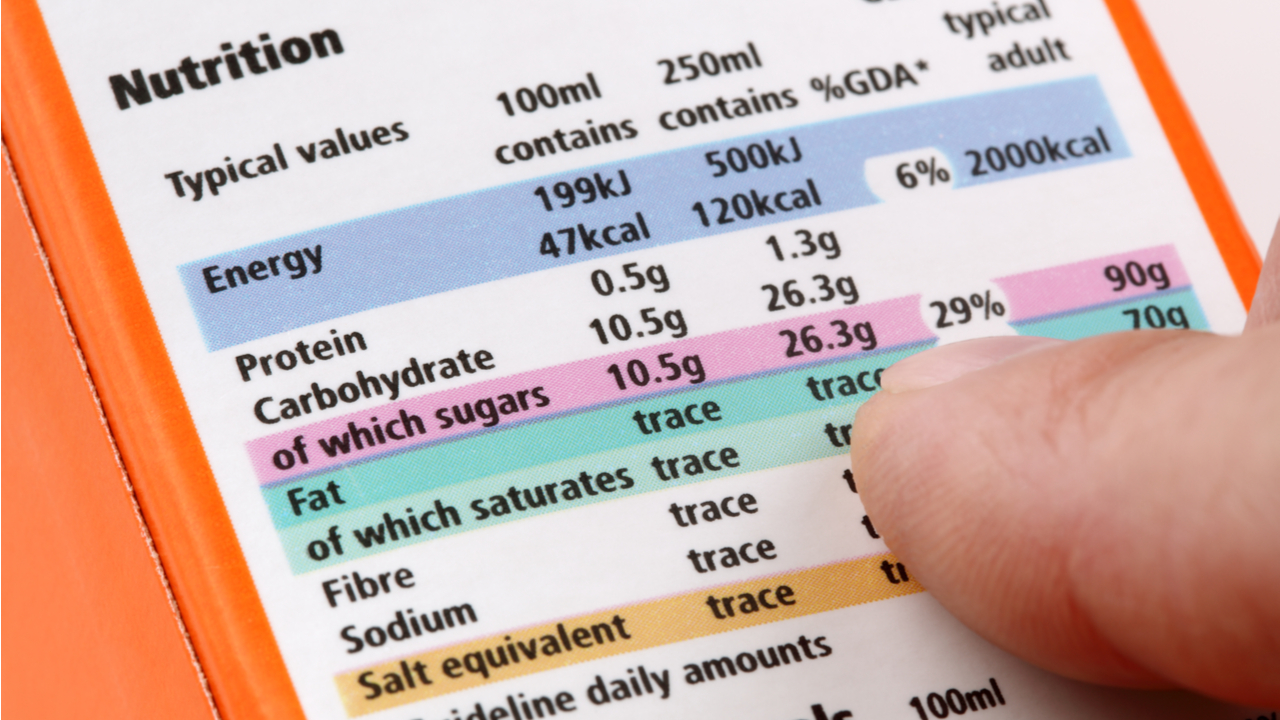
To make healthier choices, you need to be able to make sense of food labels.
Understanding food labels can be tricky. It takes time and practice. Start at home by getting familiar with labels on the foods you eat regularly. Then when you are shopping, compare labels of similar products to find the healthiest option. Here are the things to look out for.
What’s on the label?
Nutrition information can be found on the back/side of food labels. Sometimes you will also find a snapshot of this information on the front of pack.
Nutrition information is displayed per 100g and sometimes per recommended serving.
- Use the per 100g column to compare products.
- Look at the recommended portion size. This may be more or less than what you actually eat.
How do I know if a food is low, medium or high in fat, saturated fat, sugar and salt?
Some labels use colour coding to show at a glance if a food is high, medium or low in fat, saturated fat, sugar and salt.
Low (green) - the best choice
Medium (amber) - okay most of the time
High (red) - only choose occasionally
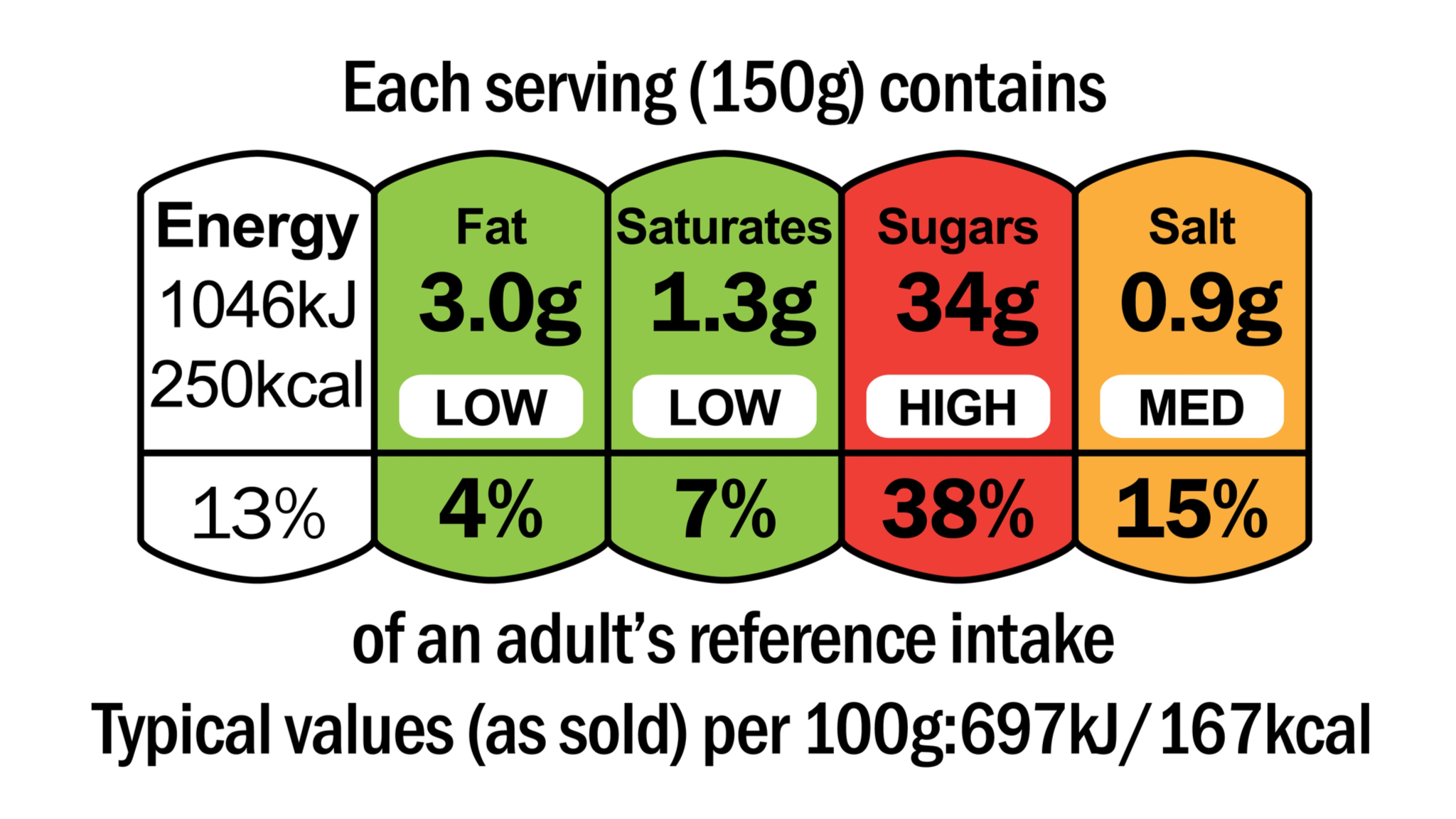
If the label isn’t colour coded, use our label decoder as a guide.
| Low (green) | Medium (amber) | High (red) | |
|---|---|---|---|
| Fat | 3g or less | Between 3g and 17.5g | Over 17.5g |
| Saturated fat | 1.5g or less | Between 1.5g and 5g | Over 5g |
| Sugars | 5g or less | Between 5g and 22.5g | Over 22.5g |
| Salt | 0.3g or less | Between 0.3g and 1.5g< | Over 1.5g |
The fibre content is important when you are looking at foods such as bread, cereals, pasta and rice.
High fibre - 6g or more per 100g
Nutrition claims
Some products claim to be ‘low in fat’ or a ‘source of fibre’ – but these claims don’t mean the food is the healthiest option. It is best to look at all nutrients before making a decision.